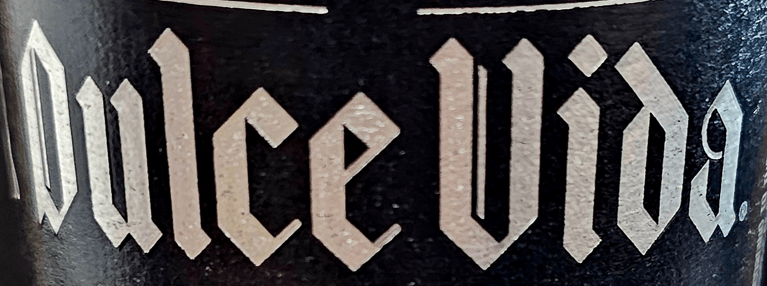
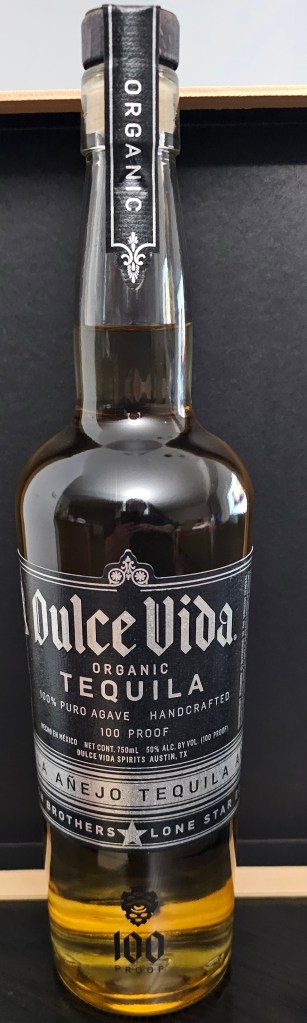
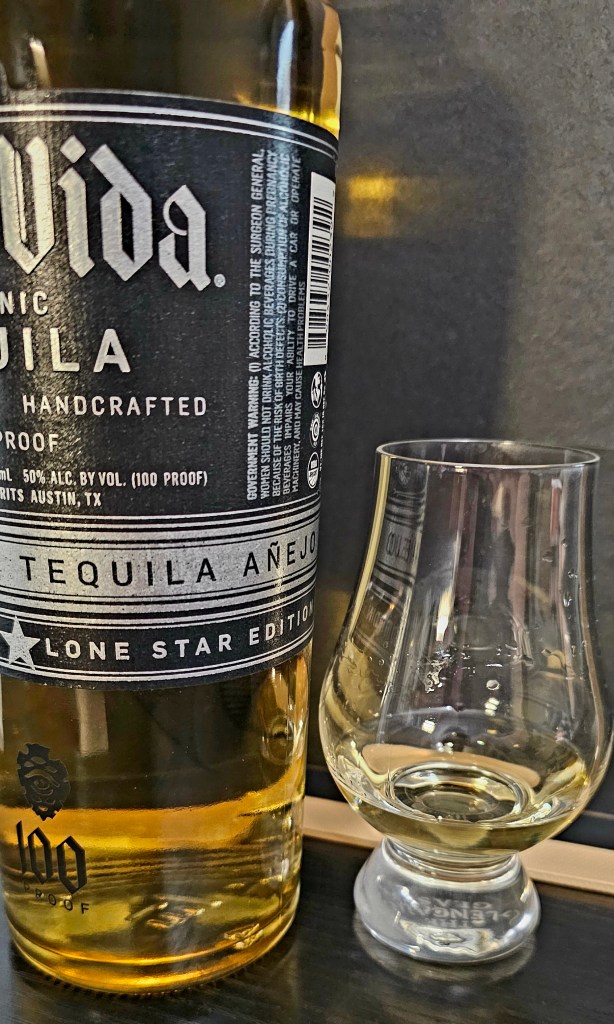
Dulce Vida, an Austin, Texas-based tequila company, uses 100% certified organic Blue Weber agaves (which are an average age of “nearly 8 years” old) to produce its certified Kosher tequilas. The agaves’ sugar (brix) levels are tested before harvesting so that Dulce Vida is sure that they have the ideal high brix levels to make better tequila. The brand produces a blanco, reposado, añejo, and an extra añejo as well as high proof versions of the first three expressions. The “Lone Star” añejo under review here is a special limited edition that has been aged for 24 months in Garrison Brothers Straight Bourbon barrels.
Garrison Brothers is one of the most widely known Texas bourbon distilleries and it uses a mashbill of 74% corn, 15% wheat, and 11% malted barley for its Straight Bourbon. The Texas climate has a significant influence on how the barrels age the whisky, giving the finished product a spicier and, to some people at least, hotter finish than bourbons aged in more temperate climates with more consistent temperature ranges during the day.
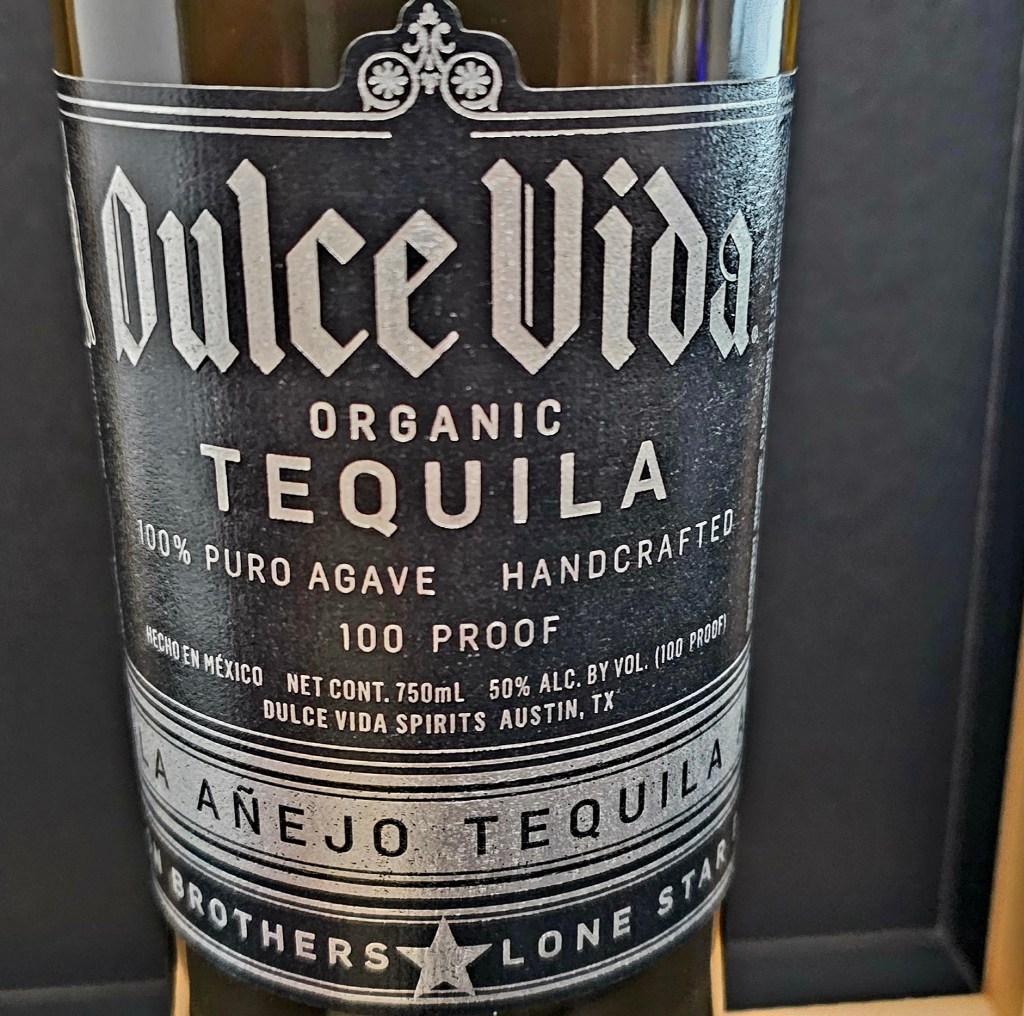
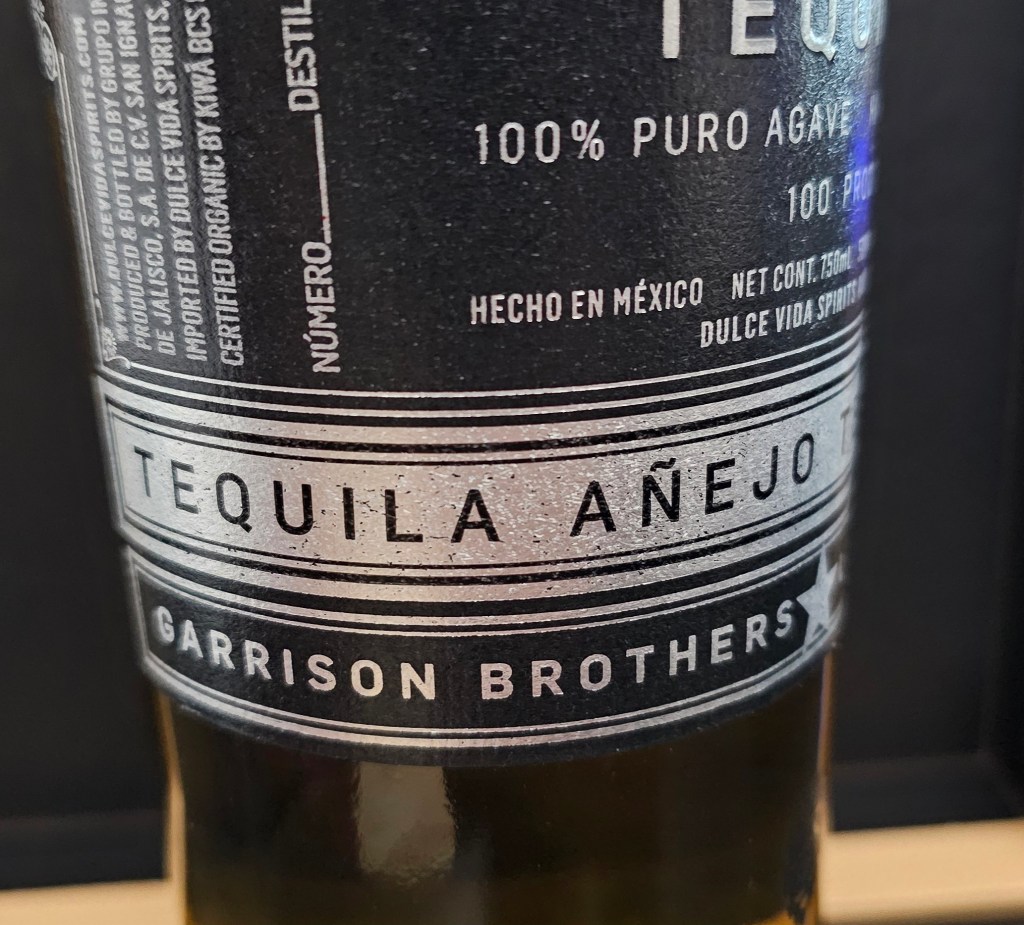
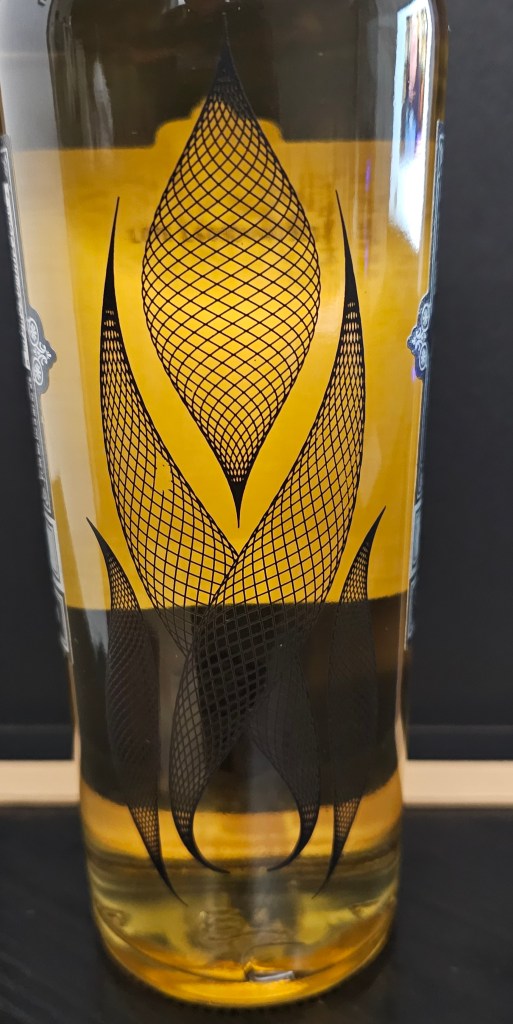
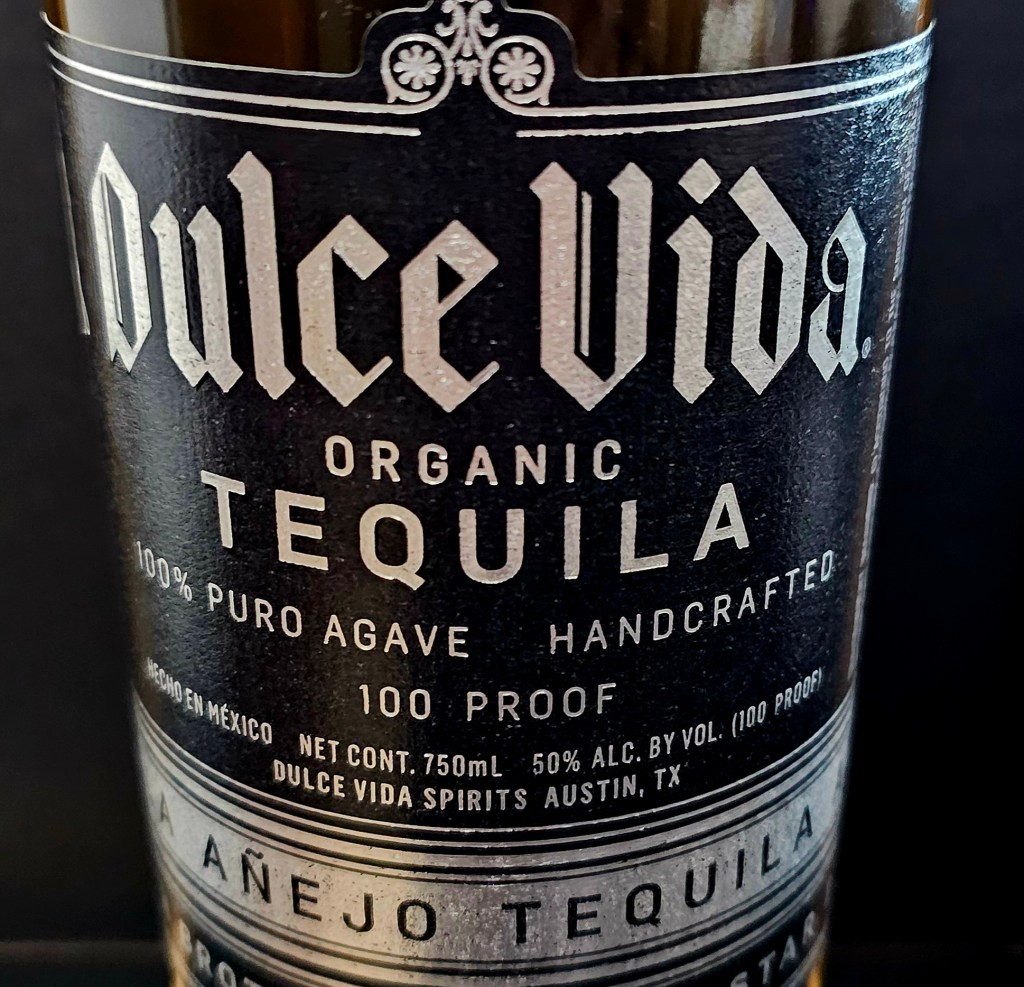
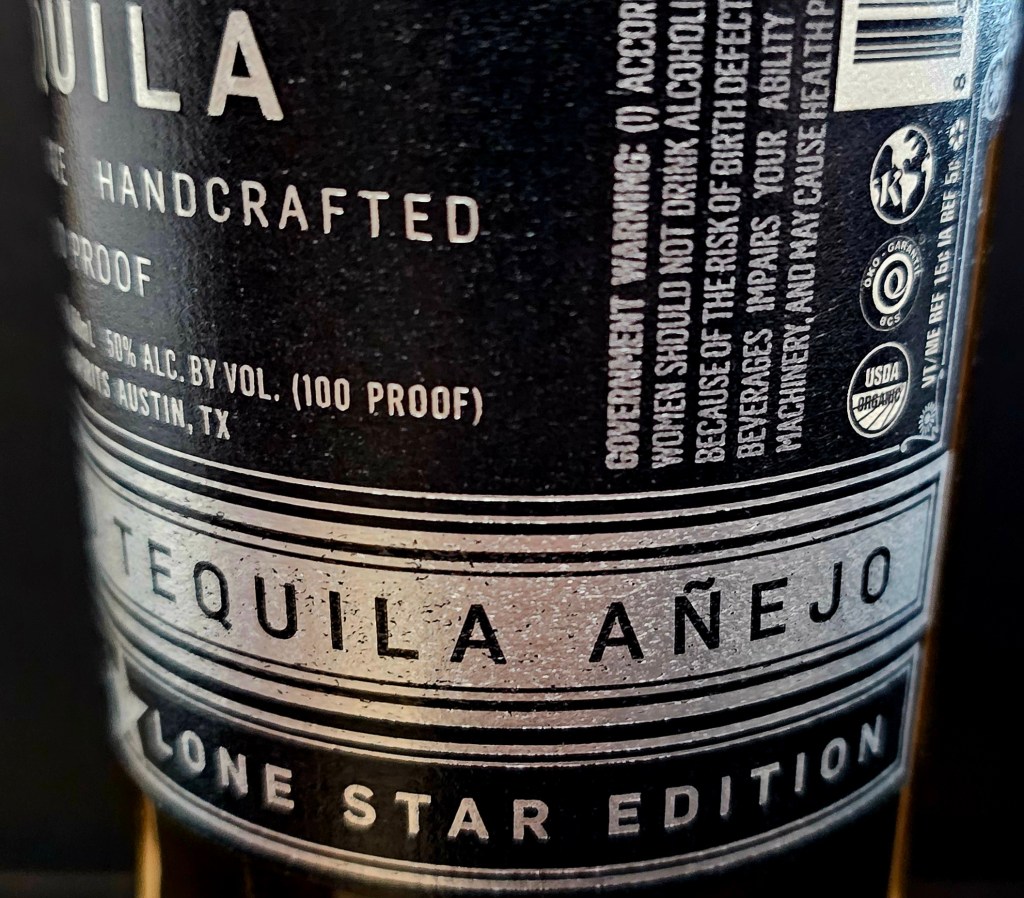

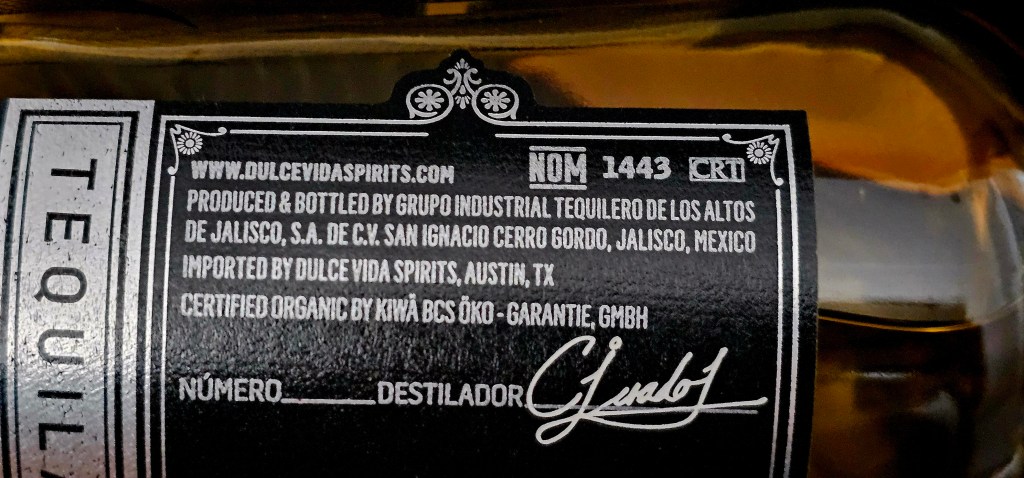
Dulce Vida is distilled by Grupo Industrial Tequilero de Los Altos de Jalisco (NOM 1443) and is overseen by master distiller Carlos Jurado. After harvesting and preparation, the agaves are cooked in an autoclave for 20 hours and the aguamiel is then extracted using a roller mill. Fermentation uses a proprietary yeast. The tequila is then double distilled using stainless steel pot stills and the aged expressions are then put into American White Oak barrels. The 80 proof (40% ABV) tequilas are brought to proof using an unspecified water source. The Lone Star is bottled, however, at 100 proof (50% ABV).
The specific Lot (Lote) of the Lone Star Añejo under review here is L609DVA0921. The bottle was purchased on clearance in my ABC state for just over $45 pre-tax. This tasting notes review is based on over four structured notes-taking tasting sessions using both Riedel tequila flutes and Glencairn glasses. All tastings were conducted neat with variations between aeration times in the glass.

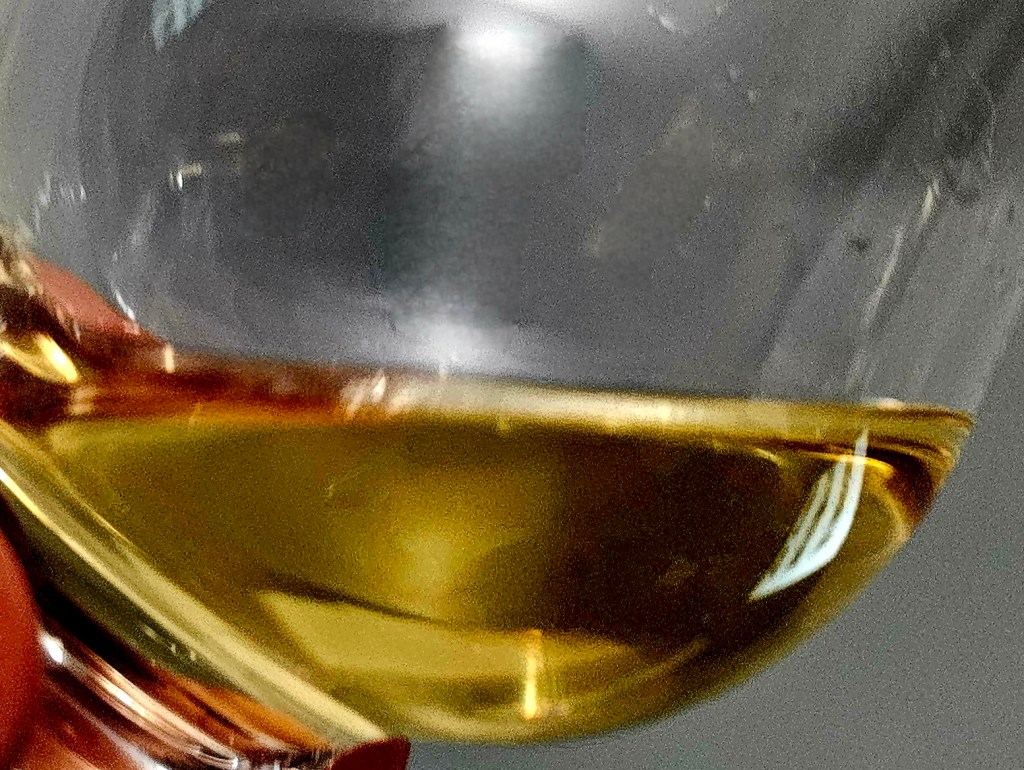
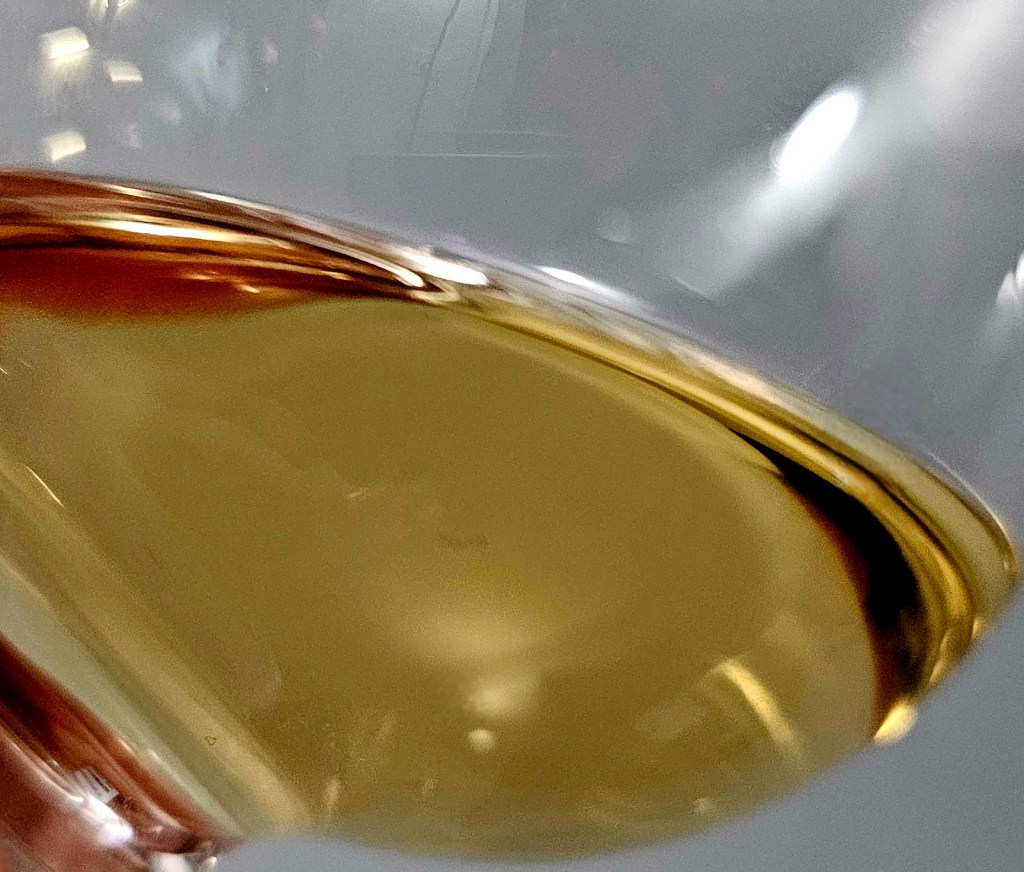
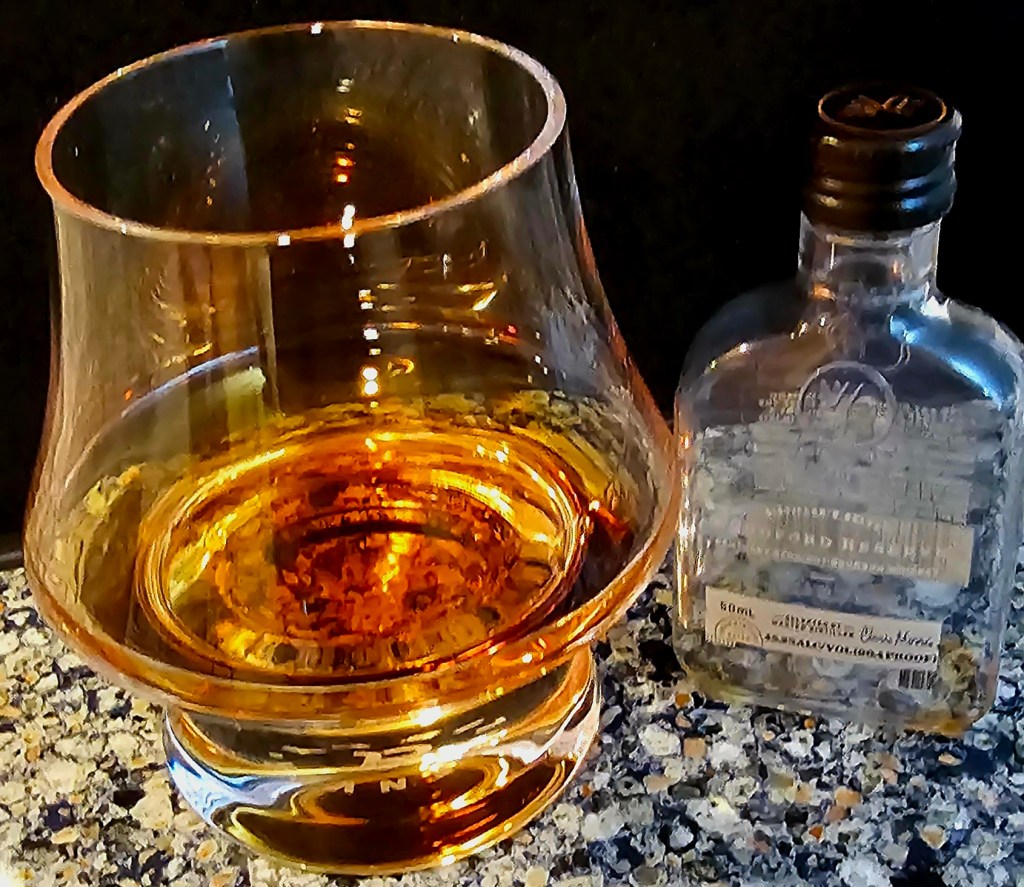
The first tasting session took place on 23 October 2024 using a Riedel with notes taken both before and after a period of resting/aeration in the glass. The tequila coated the sides of the glass with medium viscosity, forming medium-lasting legs/tears, leaving pearls as they ran down the sides of the glass.
Before resting for 1 hour, on the nose the Lone Star Añejo’s 100 proof hit prominently followed by a mix of vanilla, caramel, cooked agave, oak/barrel spice, black pepper, and a honeyed apple/orchard fruits note that mixed with a citrusy zing, and caramelized banana. What struck, and continues to strike, me is how similar the Lone Star smells very much like a spicier bourbon, no doubt due to the Garrison Brothers barrel aging. The aroma profile was, and continues to be, pleasant once the initial hit of alcohol dissipates a bit. After resting for an hour, the aroma profile was much more balanced because the initially strong alcohol had dissipated significantly without disappearing completely.
On the palate before resting, there was a significant initial sweetness that lasts throughout the entire sip, but it’s joined up front quickly by a powerful mix of oak/barrel spice and some oak tannin bitterness, strong black pepper with an alcohol heat kick, light salinity, and, in the background, caramel and vanilla. The mouthfeel has good viscosity and is oily/buttery/creamy. The finish was of medium length, though the oak tannin bitterness and hints of caramel and vanilla sweetness lasts a bit longer on the back palate. The tequila leaves a nice warming sensation on the back of the tongue, the throat, and the upper chest. Though the oak tannin bitterness is quite strong, as is the black pepper kick and alcohol heat, there is enough lasting sweetness left throughout a sip to somewhat mellow out the bitterness, pepperiness, and heat. After an hour of aerating in the glass, the initial sweetness from the neck pour was much clearer/stronger. The overall flavor profile remained the same.
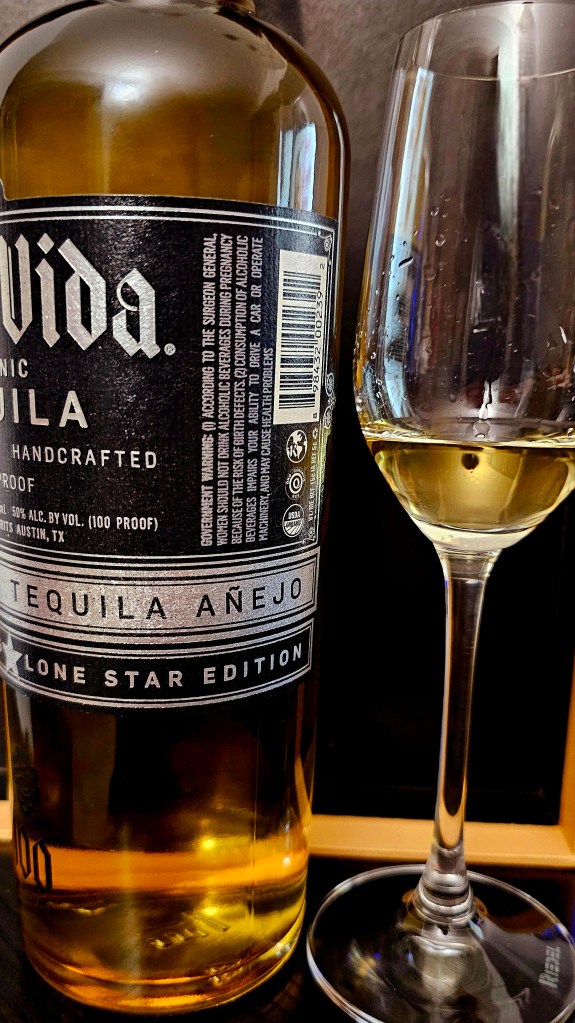

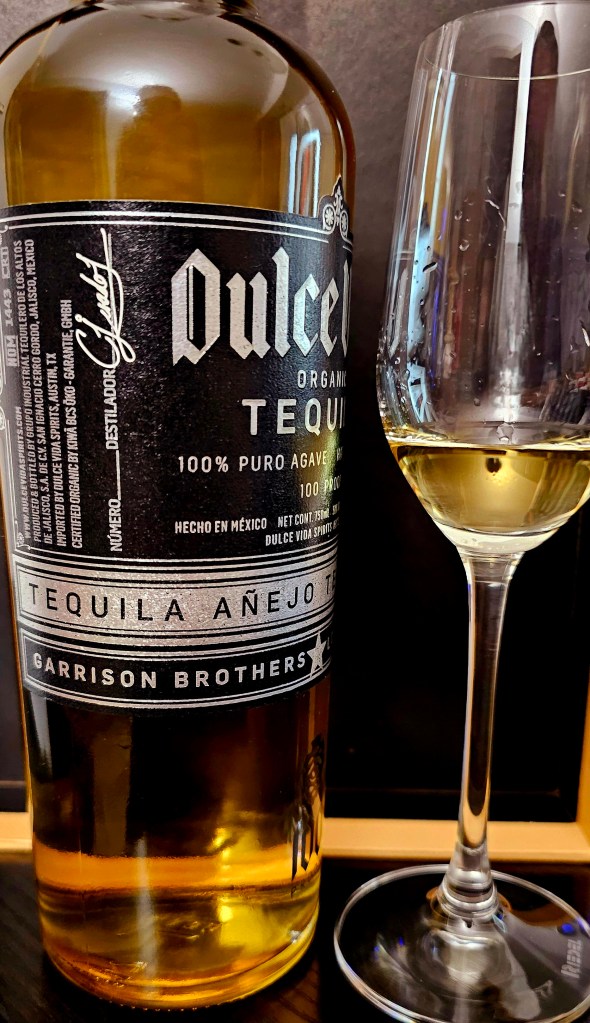
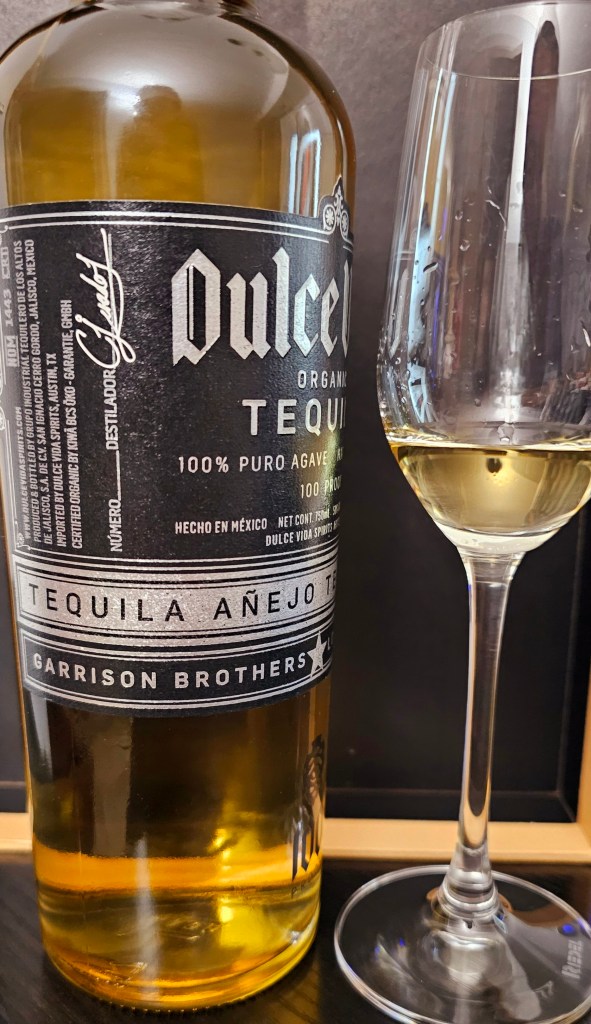


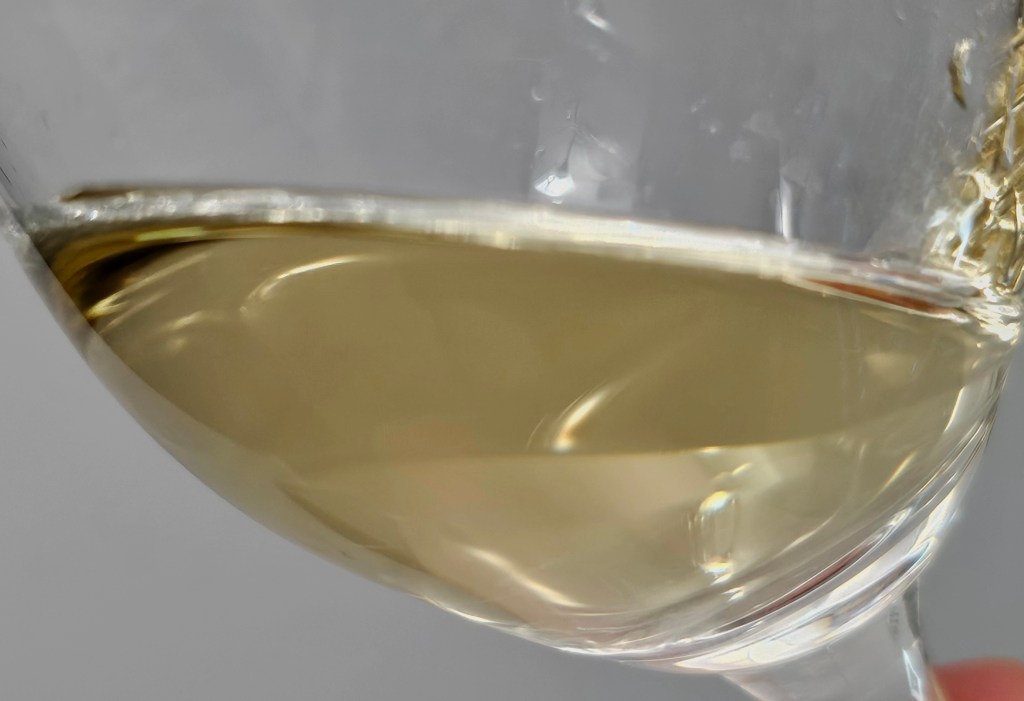
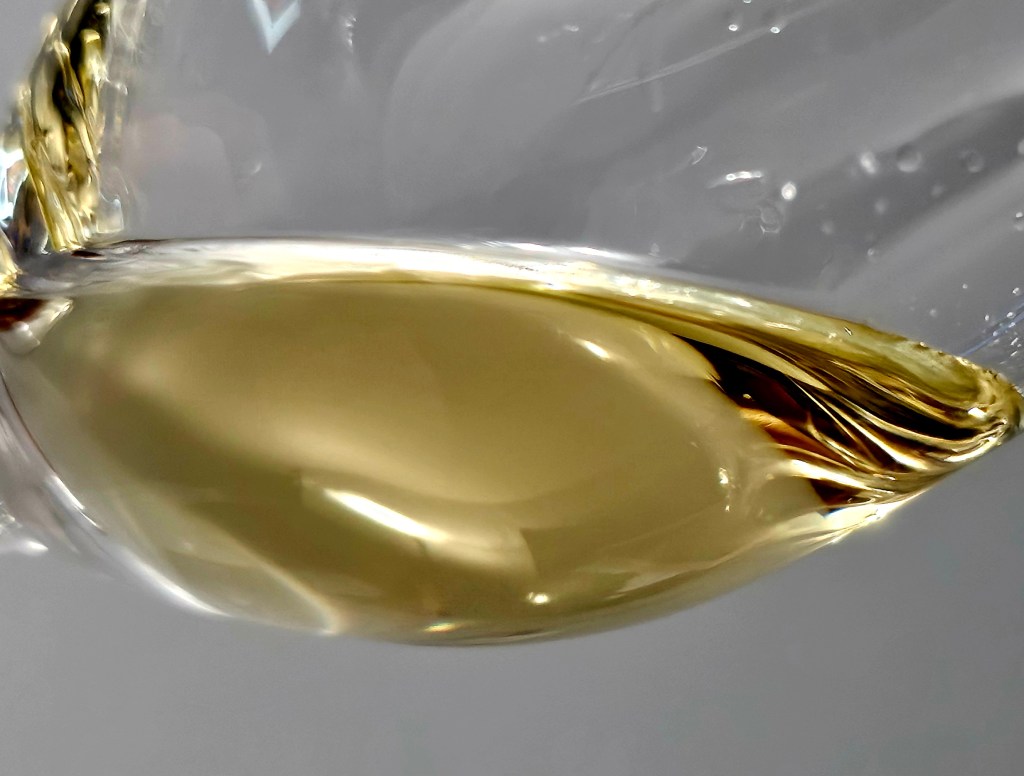
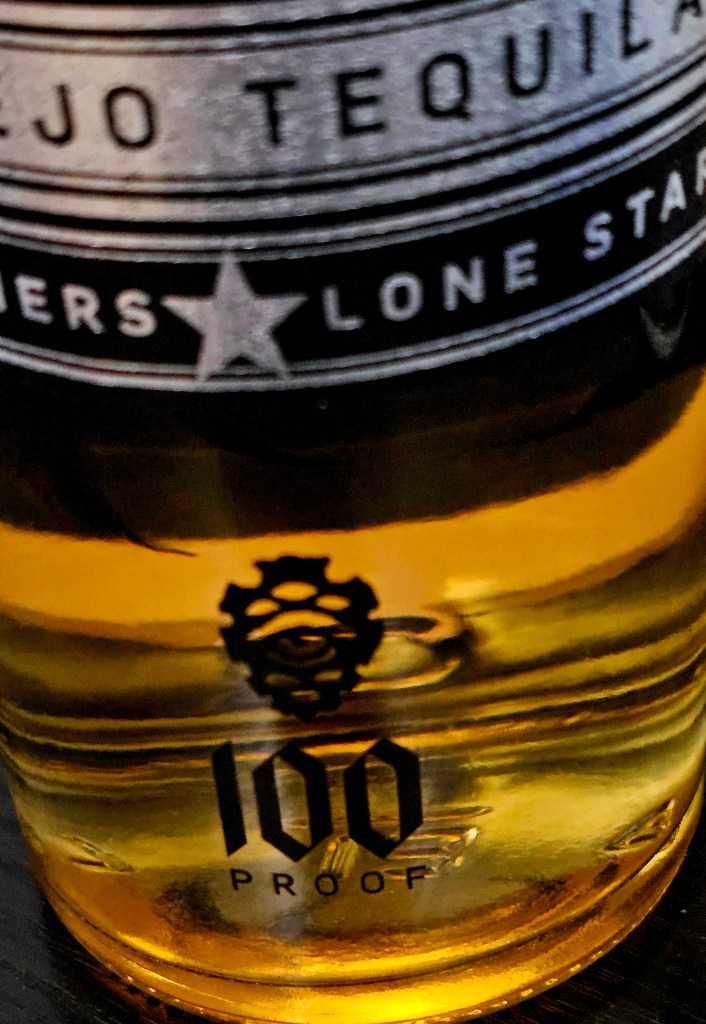
During subsequent tasting sessions, spaced out over time and using different glasses and resting times between 30 minutes to over an hour, the aroma and flavor profiles remained essentially the same. The longer the Lone Star aerates, the more balanced its aroma and flavor profiles become. It is a unique añejo that I am quite enjoying and would be an excellent introductory tequila to whisky drinkers who think they “don’t like” agave spirits.

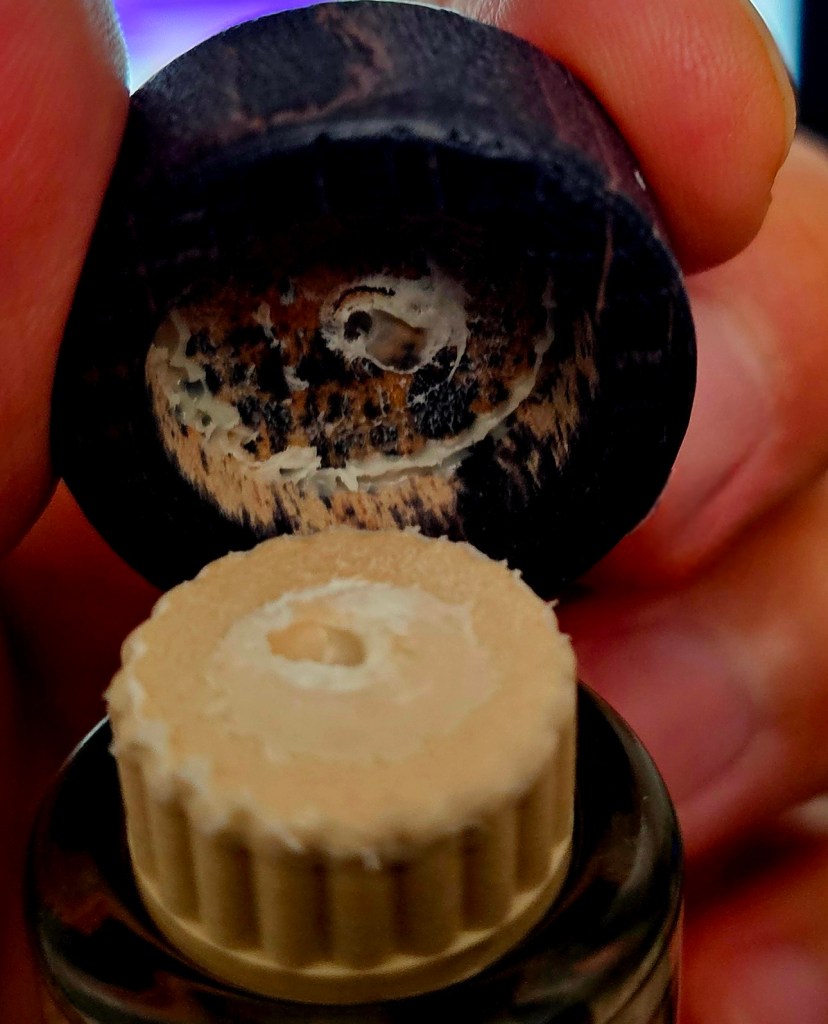
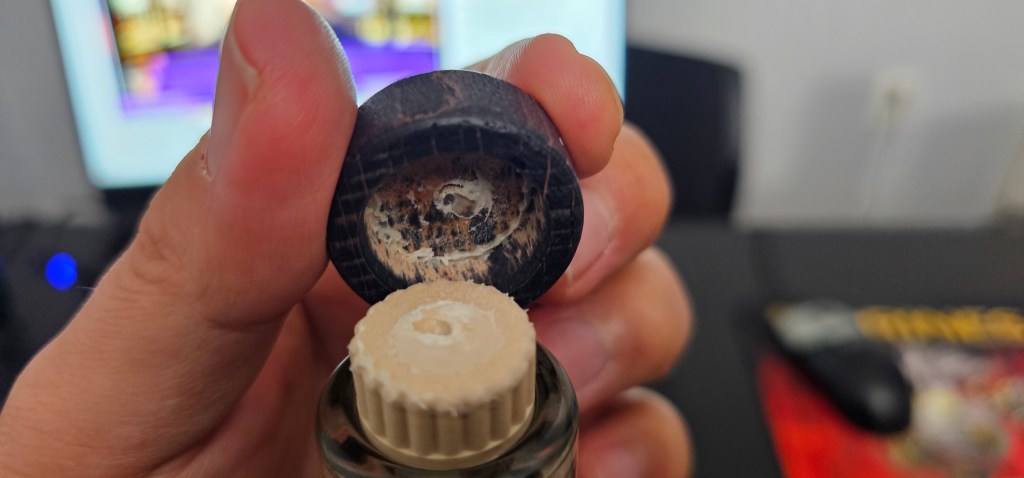
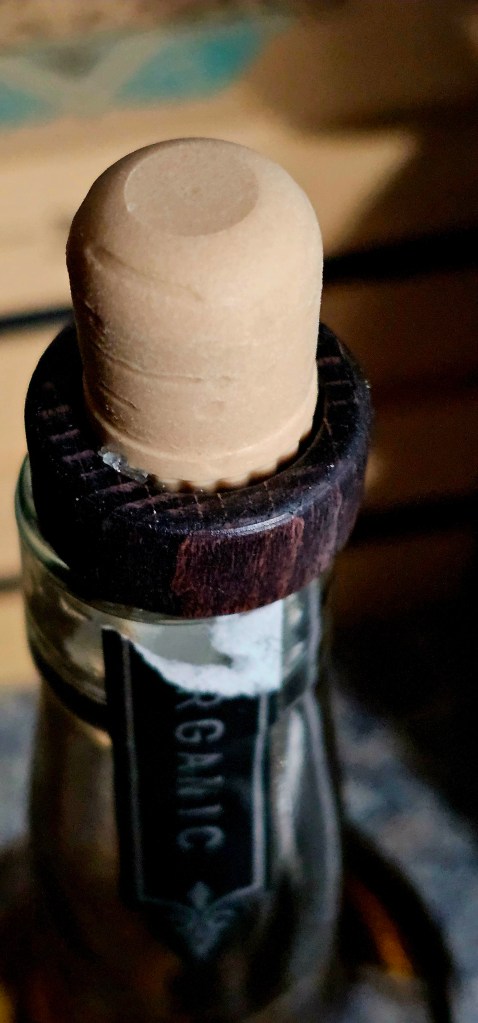
One minor quibble is that the top of the cork broke off right as I cracked open the bottle, but it was fairly easily repaired with some Gorilla Glue and a few hours of drying with a weight balanced on top of the cork/bottle.


__________________________
1792 Bourbon Agave Spirits American Single Malts American Whisky ArteNOM Añejo Tequila Blanco Tequila Blended Whisky Bourbon Whisky Bruichladdich Buffalo Trace Buffalo Trace Distillery Cocktails Código 1530 (Codigo 1530) E.H. Taylor Elijah Craig El Tesoro Extra Añejo Tequila Gin Glassware Glenlivet Irish Whisky Jack Daniel's Liqueurs Lost Lore Maker's Mark Mezcal Mijenta Mt. Defiance Distillery Patrón Penelope Reposado Tequila Reviews Rye Whisky Scotch Whisky Scotland Siempre Single Malt Whisky Spirits Tequila Tequila Mi Campo Tequila Ocho Virginia Virginia Distillery Company Whisky
 Agave Spirits+ Journey